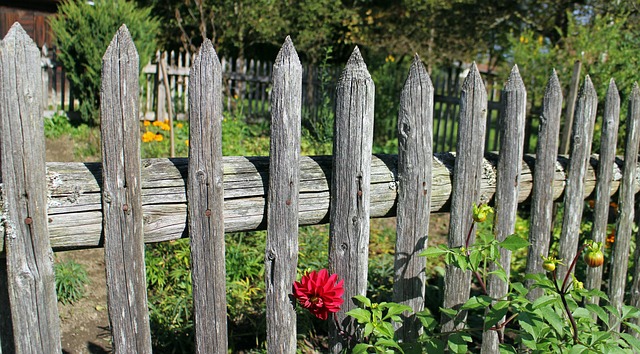
In New Bedford, Massachusetts, installing a fence can enhance your property’s security and aesthetic appeal. This comprehensive guide equips homeowners with the knowledge to undertake this project successfully. From planning the layout and obtaining necessary permits to choosing weather-resistant materials, setting post placement, assembling panels, and maintaining the finish, we provide step-by-step tips tailored to New Bedford’s climate and conditions. By following these instructions, you’ll create a durable and attractive fence that complements your home for years to come.
- Planning Your Fence Installation: Permits and Layout
- Choosing the Right Fence Material for New Bedford Climate
- Digging and Marking: Setting Post Placement
- Assembly and Attaching Panels: Step-by-Step Guide
- Finishing Touches: Painting, Sealing, and Maintenance Tips
Planning Your Fence Installation: Permits and Layout
Before starting your DIY fence installation, it’s crucial to plan ahead, especially in New Bedford, Massachusetts, where permits may be required. Check with your local authorities to understand if a permit is necessary for your project and what specific regulations apply. This step could save you time and potential fines later on.
When planning the layout of your fence, consider factors like property lines, existing vegetation, and access points. Measure and mark these elements accurately to ensure your fence design complies with local guidelines and maximizes your available space. A clear, well-planned layout will make the installation process smoother and more efficient for your DIY project.
Choosing the Right Fence Material for New Bedford Climate
When considering fence installation in New Bedford, Massachusetts, selecting the right material is key to ensuring durability and aesthetic appeal. Given the region’s climate with cold winters and mild summers, opting for weather-resistant options is essential. Wood remains a popular choice due to its natural beauty, but it requires regular maintenance to protect against rot and insect damage. Vinyl fences are an excellent alternative as they are low-maintenance, highly durable, and can mimic the look of wood. Alternatively, metal fencing offers strength and longevity but might be pricier and less flexible in terms of design.
Consider your local climate conditions, including precipitation levels and temperature variations, when making this decision to ensure your chosen fence material aligns with New Bedford’s specific weather patterns, enhancing its longevity and visual appeal.
Digging and Marking: Setting Post Placement
Before installing any fence, digging and marking the ground is a crucial step. New Bedford homeowners should start by identifying the fence’s layout and path, then using stakes and string to mark the perimeter. This ensures an even and straight fence line. Digging holes for the fence posts is the next critical task; the holes should be deep enough to support the post’s length and width.
The depth of the holes depends on the type of fence and local soil conditions but generally, they should be at least a third of the post’s height. Marking the hole locations with flags or markers will help in maintaining consistency during post placement.
Assembly and Attaching Panels: Step-by-Step Guide
To assemble and attach your fence panels, start by unrolling the panels on a flat surface to ensure they are in good condition. Begin with one panel as a reference point, and secure the posts at the corners using a drill equipped with a concrete bit. Make sure the posts are level before proceeding. Next, connect the panels together using metal brackets or clips, aligning them carefully for a seamless fit.
Once the panels are connected, attach them to the posts by securing each panel at the top and bottom to its respective post. Use high-quality screws or nails designed for outdoor use to prevent rusting or damage from weather exposure. Double-check the alignment of your fence line as you work to ensure a straight and uniform barrier.
Finishing Touches: Painting, Sealing, and Maintenance Tips
After completing the fence installation, adding the finishing touches of painting and sealing is essential to protect your new fence from the elements and prolong its lifespan. Start by applying a high-quality exterior paint suitable for wood fences. Choose a color that complements your home’s exterior or creates a desired aesthetic. Allow the paint to dry completely before moving on to the next step.
Regular maintenance is key to keeping your fence in top condition. This includes annual cleaning to remove dirt, debris, and mildew, as well as reapplying sealant every few years to shield the wood from water damage and UV exposure. A well-maintained fence not only enhances the curb appeal of your New Bedford property but also ensures it remains sturdy and safe for many years to come.